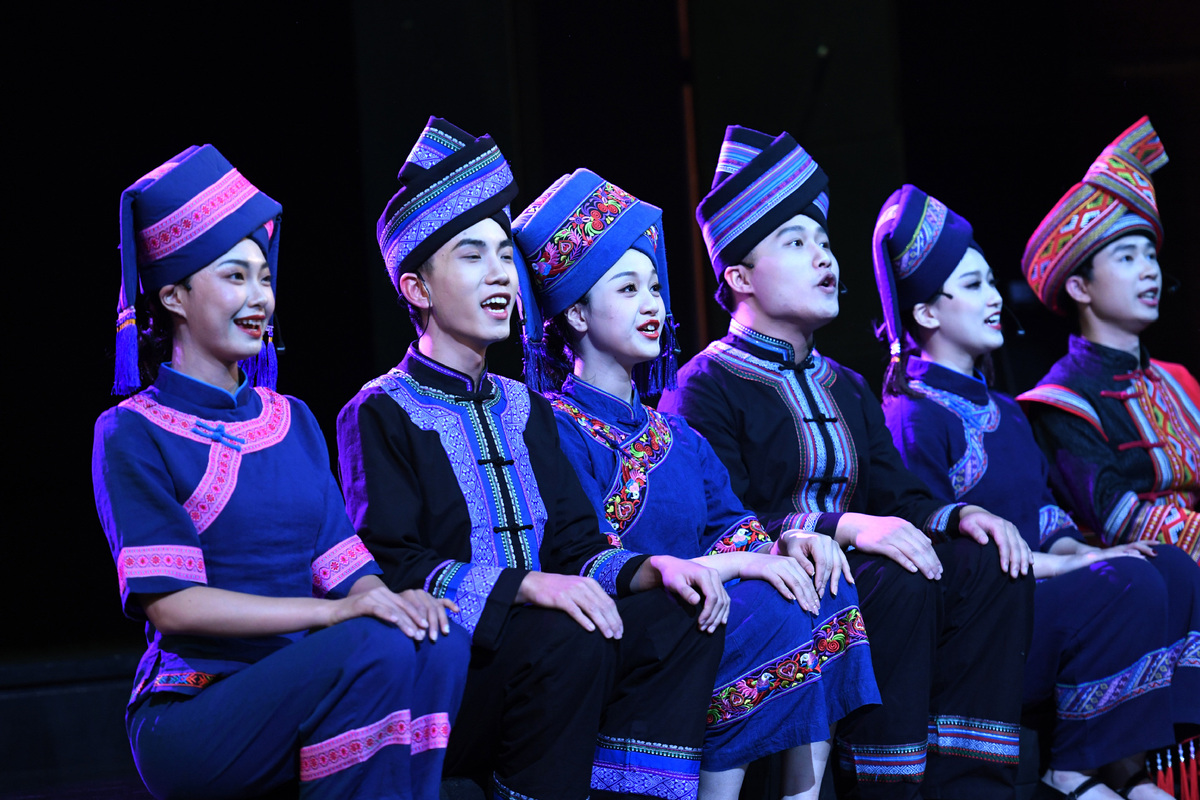
Zhuang Ethnic Group
Overview
The Zhuang ethnic group primarily resides in South China's Guangxi Zhuang autonomous region. The Zhuang people also live in neighboring provinces such as Yunnan, Guangdong, Guizhou, and Hunan. The Zhuang are recognized for their agricultural expertise, particularly in rice cultivation, due to the fertile lands of Guangxi. This ethnic group possesses a distinct identity, evident in their language, traditional attire, festivals, and arts, which are deeply intertwined with their way of life.
Historical Background
Historically, the Zhuang people are believed to be descendants of the ancient Baiyue tribes, known to have inhabited southern China. The Baiyue were a collection of indigenous groups with unique customs and languages. Over centuries, the Zhuang maintained their cultural and social structures while integrating aspects of Han Chinese culture through trade, political alliances, and intermarriage.
Cultural Artifacts
The Zhuang people's cultural artifacts offer insight into their rich heritage. Notable among these are the bronze drums, which hold ceremonial significance and are often used in rituals and festivals. These drums are ornately decorated, serving both a musical and symbolic purpose. Weaving and embroidery are also integral to Zhuang culture, with brocade being a distinctive craft. The intricate designs and vibrant colors of Zhuang textiles depict motifs from nature and mythology, showcasing an artistic tradition that has been passed down through generations. These artifacts are not only artistic expressions but also embody the history and values of the Zhuang community.
Traditional Attire and Crafts
Traditional Zhuang attire is characterized by its vibrant colors and intricate embroidery, reflecting the aesthetic and cultural values of the community. Women's clothing typically includes a long dress or blouse and skirt, often adorned with silver accessories and embroidered motifs representing local flora and fauna. Men's attire is simpler, usually consisting of a jacket and trousers. The Zhuang are also known for their craftsmanship in creating embroidered balls, a unique cultural artifact often exchanged as tokens of affection or during festivals. These crafts not only serve functional purposes but also act as a medium for artistic expression and cultural continuity.
Festivals and Celebrations
Festivals play a vital role in the social and cultural life of the Zhuang people, offering opportunities for communal gathering, expression, and celebration. One of the most significant festivals is the "Sanyuesan," held on the third day of the third month on the traditional Chinese calendar. This festival is akin to Valentine's Day, where young men and women engage in singing competitions and exchange embroidered balls as a symbol of love and affection. The Zhuang also celebrate the "Zhuang New Year," which coincides with the Chinese New Year, featuring traditional performances, music, and dance. These festivals are characterized by vibrant costumes, traditional music, and communal feasting.
Music and Theater
Renowned for being adept at both singing and dancing, the Zhuang people have a rich repertoire of folk songs, dance music, and operatic music, each with its own distinct characteristics and melodies. Their folk songs, in particular, are famous for their poetic lyrics, intricate rhythmic patterns, and the ability to express deep emotions, often reflecting the daily lives, traditions, and histories of the Zhuang people. Zhuang opera, a comprehensive art form that combines literature, music, dance, and acrobatic skills, further showcases their creativity and artistic talent. Whether through the emotional depth of their songs or the vibrant energy of their dances, the Zhuang people continue to preserve and celebrate their rich musical and theatrical traditions.
Culinary Traditions
The culinary traditions of the Zhuang ethnic group are deeply rooted in their agrarian lifestyle, with rice being a staple component of their diet. Zhuang cuisine is known for its use of fresh ingredients and bold flavors, often incorporating local herbs and spices. Popular dishes include "Luosifen," a noodle dish made with river snails and spicy broth; "Bamie," a fermented rice dessert; and various grilled meats and vegetables. The Zhuang also practice unique food preservation methods, such as pickling and fermentation, which reflect their resourcefulness and adaptability. Culinary practices are an essential aspect of Zhuang culture, representing their connection to the land and environment. Article reference1. Zhuang ritual instrument gets a pop makeover. chinadaily.com.cn. 20242. Bounce back of embroidered ball is more than just a romantic dream. chinadaily.com.cn. 20243. Anthropology Museum of Guangxi. chinaservicesinfo.com. 2018Photo Gallery(10 pictures)CategoriesRegional CultureTagEthnic CultureEthnic Groups in ChinaRelatedZuojiang Huashan Rock Art Cultural LandscapeChinese BrocadeZhuang BrocadeSanyuesan FestivalCatalogue1. Overview2. Historical Background3. Cultural Artifacts4. Traditional Attire and Crafts5. Festivals and Celebrations6. Music and Theater7. Culinary Traditions- - - []








